Michael Caine
Home improvement becomes truly effective when it is approached with structure, planning, and strategic decision-making. Efficiency is not about completing projects quickly, but about achieving maximum impact with minimal waste of time, money, and effort.
By focusing on organisation, prioritisation, and professional support, homeowners can transform their spaces in a way that is both practical and sustainable.
Start with a Clear Plan
Efficiency begins with clarity. Defining your goals, budget, and timeline ensures that every decision aligns with a larger objective. Without a structured plan, projects can become disjointed, leading to unnecessary expenses and delays. A well-developed strategy allows you to prioritise tasks and allocate resources effectively.
Prioritise High-Impact Areas
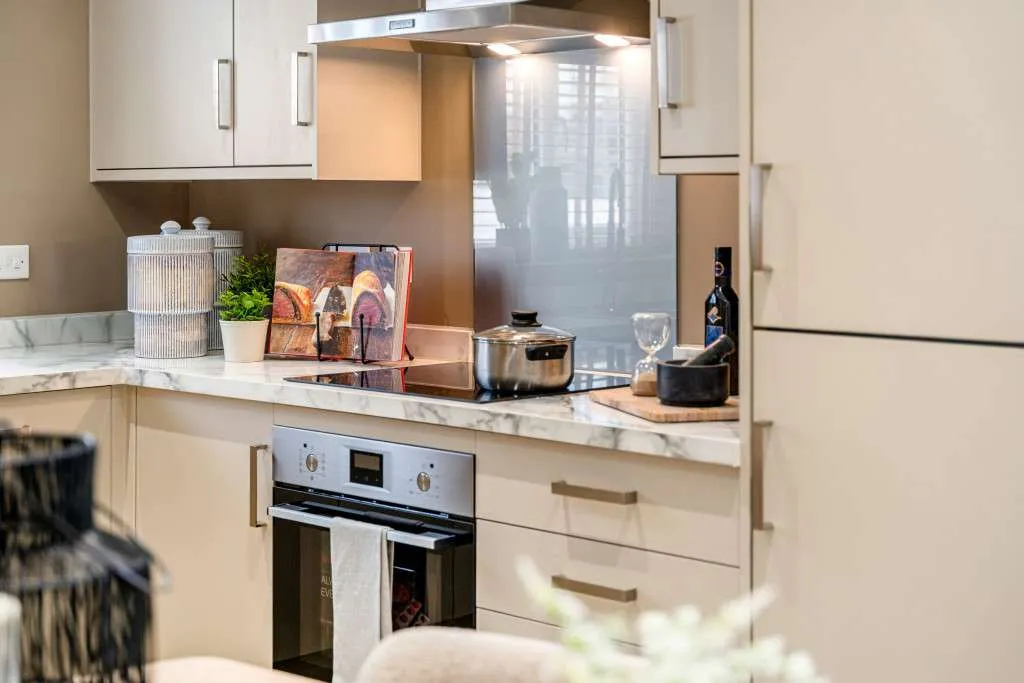
Not all improvements deliver the same value. Focusing on areas that influence daily living—such as kitchens, bathrooms, and living spaces—ensures that your efforts produce noticeable results. Prioritising high-impact upgrades prevents wasted effort on changes that offer minimal benefit.
Work with a Residential Renovation Contractor
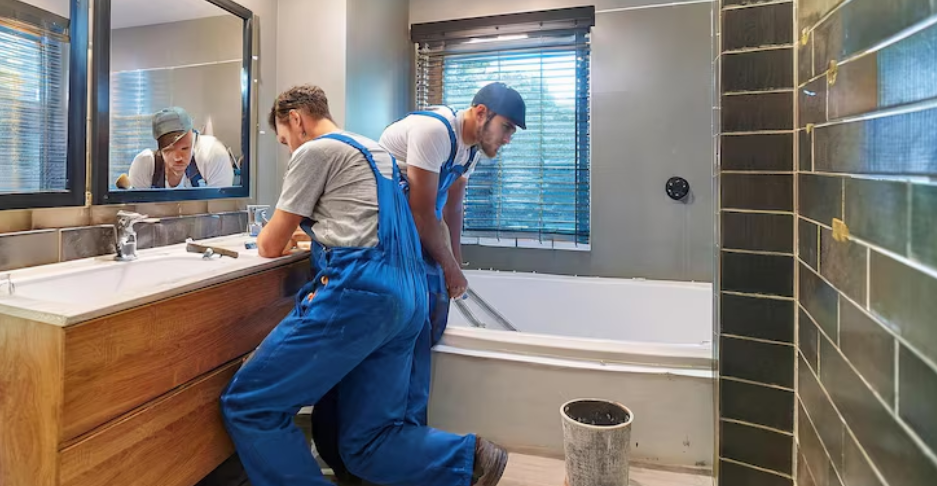
Residential renovation contractor services play a critical role in improving efficiency. Professionals bring experience, technical knowledge, and project management skills that streamline the entire process. They coordinate timelines, manage materials, and ensure that work is completed to a high standard. This reduces errors, prevents costly rework, and keeps the project on track from start to finish.
Focus on Bathroom Remodeling for Value and Function
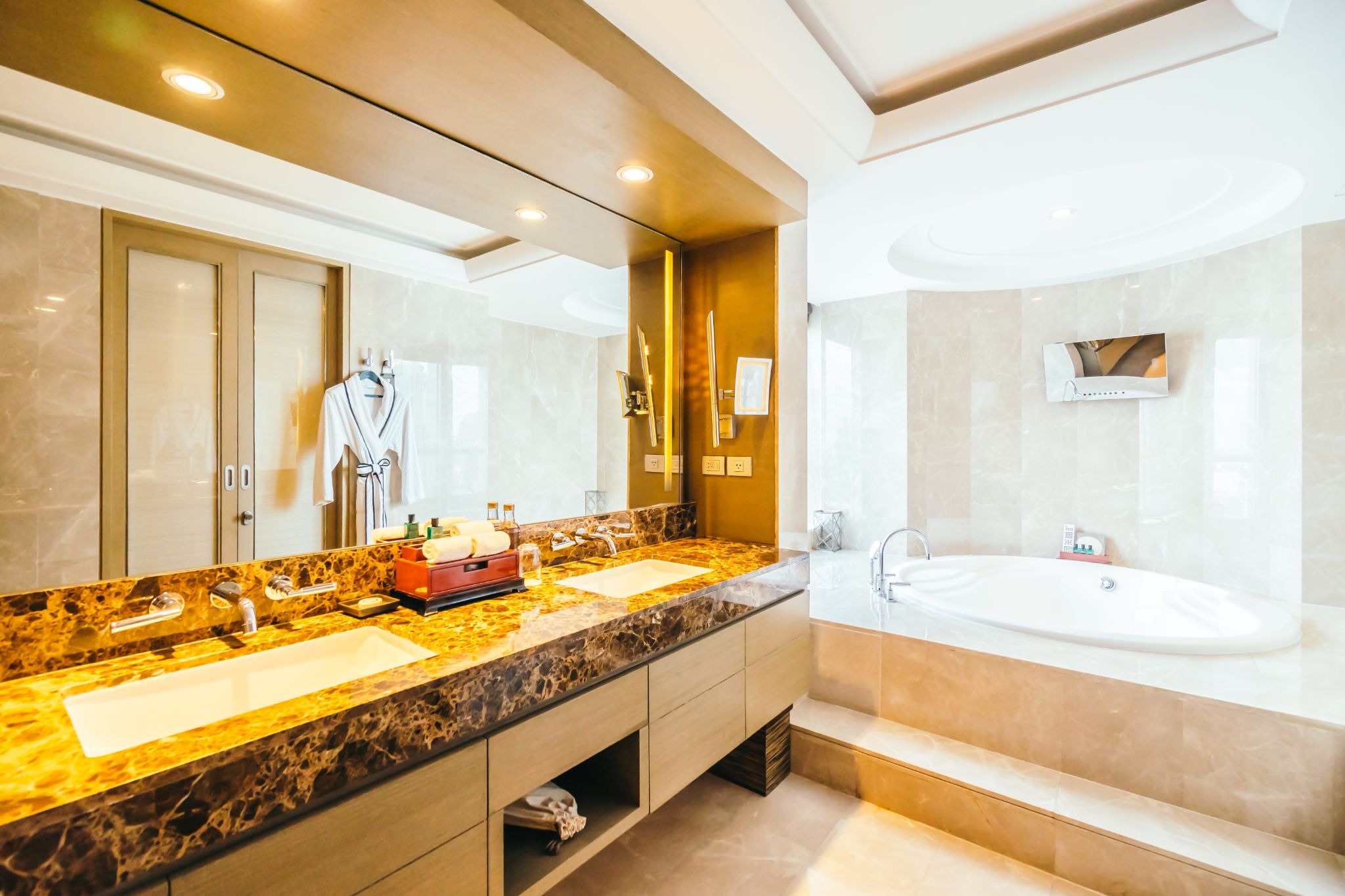
Bathroom remodeling is one of the most efficient ways to enhance both functionality and property value. Bathrooms are used daily, making improvements immediately noticeable. Upgrading fixtures, improving layout, and modernising finishes create a more practical and comfortable space. Because of its high return on investment, bathroom remodeling ensures that both time and money are used effectively.
Streamline Material Selection
Choosing materials in advance prevents delays and ensures consistency. Selecting durable, low-maintenance options reduces long-term costs and minimises future repairs. Efficient material planning also avoids last-minute decisions that can disrupt timelines or exceed budgets.
Combine Projects Where Possible
Efficiency increases when multiple improvements are completed simultaneously. For example, upgrading plumbing, electrical systems, and finishes during the same phase reduces labour duplication and minimises disruption. Coordinating projects allows for better use of time and resources.
Set a Realistic Budget and Contingency
Financial planning is essential for efficiency. Establishing a clear budget prevents overspending, while a contingency fund prepares you for unexpected costs. This approach ensures that progress continues smoothly without interruptions caused by financial constraints.
Minimise Disruption to Daily Life
Efficient home improvement also considers how projects affect daily routines. Planning work in stages or scheduling major tasks during convenient times reduces inconvenience. Maintaining a balance between progress and livability ensures that the process remains manageable.
Monitor Progress and Maintain Communication
Regularly reviewing progress keeps the project aligned with its goals. Clear communication with contractors and suppliers ensures that issues are addressed quickly. Staying involved allows you to make informed decisions and maintain control over the outcome.
Focus on Long-Term Results
Efficiency is not just about immediate completion—it is about durability and sustainability. Investing in quality workmanship and materials ensures that improvements last, reducing the need for future repairs. A long-term perspective maximises the value of every upgrade, making the entire process more effective and worthwhile.