


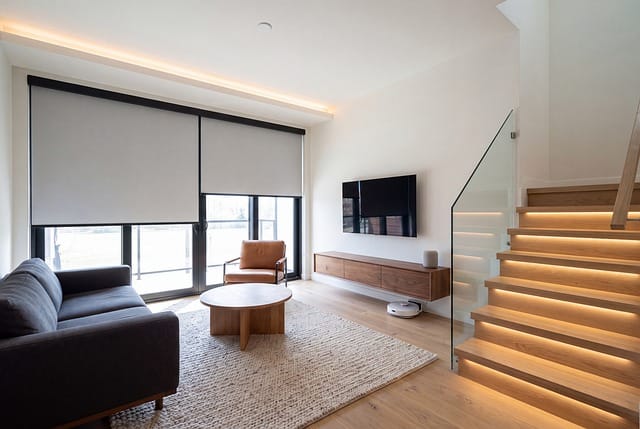
Window coverings influence how a home looks, feels and functions throughout the day. The right choice can help manage sunlight, improve privacy and complement an interior without making rooms feel enclosed. Plantation shutters are worth considering for homeowners who want adjustable light control alongside a clean, timeless appearance.
However, choosing suitable shutters involves more than selecting a colour or design. Factors such as room conditions, window dimensions, material, maintenance and installation requirements all affect the final result. For homeowners exploring Plantation shutters Melbourne options, understanding these practical considerations can make it easier to compare products and select window coverings that suit their property and lifestyle.
1. Choose a Shutter Material That Suits Each Room
Different rooms place different demands on window coverings. A material that works well in a living room may not be the most suitable choice for a bathroom or laundry, where moisture is a regular concern.
PVC and moisture-resistant materials
Bathrooms, kitchens and laundries can experience humidity, splashes and temperature changes. Depending on the product’s construction and specifications, PVC or another suitable moisture-resistant material may be a practical option for these environments.
Before purchasing, check whether the shutters are designed for the intended application. Consider the finish, cleaning requirements, resistance to warping and any manufacturer recommendations concerning prolonged moisture exposure.
It is also worth checking the ventilation in the room. Even moisture-resistant shutters cannot resolve condensation or inadequate ventilation on their own.
Timber for a natural interior finish
Timber shutters can introduce warmth and natural texture to living rooms, bedrooms and other interior spaces. Their appearance may complement timber flooring, neutral walls and traditional or contemporary furniture.
The main consideration is ongoing care. Timber can respond to changes in humidity and temperature, so the suitability of a particular product depends on its construction, finish and intended environment. Ask about cleaning instructions and whether the product is recommended for areas exposed to frequent moisture.
Aluminium for suitable external applications
Aluminium shutters may be appropriate for certain outdoor or exposed settings, depending on their design and protective finish. They can be considered for spaces where weather exposure and durability are important selection factors.
Not every aluminium shutter is designed for outdoor use. Check the manufacturer’s specifications for exposure, corrosion resistance, maintenance and installation requirements before making a decision.
2. Consider Sunlight, Orientation and Melbourne’s Weather
The direction a window faces can influence how much direct sunlight enters a room. North- and west-facing windows, for example, may experience substantial sunlight at particular times of the year, while shaded windows can have different requirements.
Adjustable shutters allow occupants to change the angle of the louvres to manage incoming daylight and reduce glare. This can be particularly useful in living rooms with televisions, home offices with computer screens and bedrooms where early morning sunlight affects comfort.
Melbourne’s changing seasonal conditions also make it useful to consider how window coverings fit into a home’s broader approach to indoor comfort. Shutters may influence sunlight and heat transfer, but their thermal performance depends on several factors, including the material, fit, glazing and installation.
They should not be treated as a guaranteed substitute for effective insulation, suitable glazing or other building improvements. If reducing heat gain or heat loss is a priority, ask the supplier about the specific product’s performance rather than relying on general claims.
3. Balance Privacy with Natural Light
One of the practical advantages of plantation shutters is the ability to adjust the louvres rather than opening or closing the entire covering. This gives homeowners greater flexibility when balancing daylight with privacy.
In a street-facing living room, the louvres can be angled to limit direct views from outside while allowing some daylight to enter. In a bedroom, they can be adjusted to reduce incoming light when privacy or a quieter atmosphere is preferred.
Home offices can also benefit from adjustable light control. Positioning the louvres appropriately may reduce distracting glare on screens while maintaining a connection with the outdoors.
Nevertheless, privacy depends on the viewing angle, distance, lighting conditions and louvre position. At night, a brightly lit room may be more visible from outside than during the day. Homeowners who need strong privacy should assess the shutter configuration carefully and consider supplementary window coverings if necessary.
4. Select a Style That Works With Your Windows
Plantation shutters are available in different configurations, finishes and louvre sizes. The most suitable design depends on the window, the room’s proportions and the way occupants use the space.
Larger louvres can create a more open visual appearance when they are tilted, while smaller louvres may suit particular window proportions or design preferences. Neither option is automatically better for every home.
It is also important to consider how the shutters open. Hinged panels need sufficient clearance, whereas other configurations may be more suitable where furniture, narrow walkways or nearby fittings restrict movement.
When comparing Plantation Shutters, consider the full installation rather than just the appearance of the panels. The frame, finish, louvre size and opening mechanism should work together to suit the window and the surrounding interior.
For unusually shaped windows, bay windows or openings with limited access, ask whether a suitable custom configuration is available. The feasibility of a particular design will depend on the product and the window’s dimensions.
5. Measure Carefully Before Ordering
Accurate measurements are essential when selecting made-to-measure window coverings. Small differences in window dimensions, frame depth or alignment can affect how shutters fit and operate.
Before finalising an order, consider the following:
- Window dimensions: Measure the opening according to the supplier’s instructions, noting any differences between the top, middle and bottom.
- Frame depth: Check whether there is sufficient room for the selected frame and panels.
- Handles and fittings: Window handles, locks and other hardware must not obstruct shutter movement.
- Opening clearance: Confirm that panels can open without hitting furniture, taps, nearby walls or other obstacles.
- Window condition: Older windows may have uneven frames or other features that require additional consideration.
Professional measuring and installation advice can be helpful, particularly for large windows, unusual shapes or multiple openings. Before accepting a quote, clarify who is responsible for measurements, installation and any adjustments that may be required.
6. Understand the Total Cost and Maintenance Requirements
The price of plantation shutters varies according to material, dimensions, configuration, finish and installation requirements. A quote for a small standard window may not be directly comparable with one covering several large or unusually shaped windows.
When reviewing quotes, check whether the stated price includes measuring, manufacturing, delivery, installation and any necessary finishing work. Ask about warranties, cleaning instructions and the process for addressing faults or installation issues.
It is also sensible to consider long-term maintenance. Most shutters require periodic cleaning to remove dust, while particular materials may have additional care requirements. Choosing a product suited to the room can help avoid unnecessary maintenance problems.
Rather than selecting the cheapest option automatically, compare the product specifications, expected maintenance, installation scope and warranty conditions. A clear understanding of what is included makes it easier to assess the overall value.
7. Avoid Common Plantation Shutter Selection Mistakes
A few straightforward checks can prevent disappointment after installation.
Choosing appearance over suitability: A finish may look attractive but still be unsuitable for a damp room or an exposed location. Check the material’s intended use first.
Expecting complete darkness: Shutters can help control incoming light, but light may still enter around frames or between louvres. Consider whether additional curtains or blinds are needed for bedrooms.
Assuming shutters eliminate outside noise: They may influence how sound travels through a window assembly, but they are not automatically soundproof. Noise reduction depends on the complete window system and installation.
Ignoring everyday access: Shutters should not make it difficult to open windows, operate locks or reach necessary fittings. Check the configuration before ordering.
Comparing quotes on price alone: Different products may vary in material quality, customisation, installation and warranty coverage. Review these details before deciding.
Taking time to address these points can help ensure that the selected shutters meet practical needs as well as design expectations.
Final Thoughts
Plantation shutters can be a useful window-covering option for Australian homes when their material, configuration and installation are matched to the room. They offer adjustable control over daylight and privacy, while different finishes and styles can complement a wide range of interiors.
The best choice depends on the home’s windows, exposure to moisture and sunlight, maintenance preferences and budget. By checking product specifications, obtaining accurate measurements and comparing quotes carefully, homeowners can make a more informed decision.
If you are considering shutters for your property, review the available styles and materials, then seek advice about the configurations most appropriate for your windows. A considered approach will help you choose window coverings that suit both your home’s appearance and its everyday requirements.