Michael Caine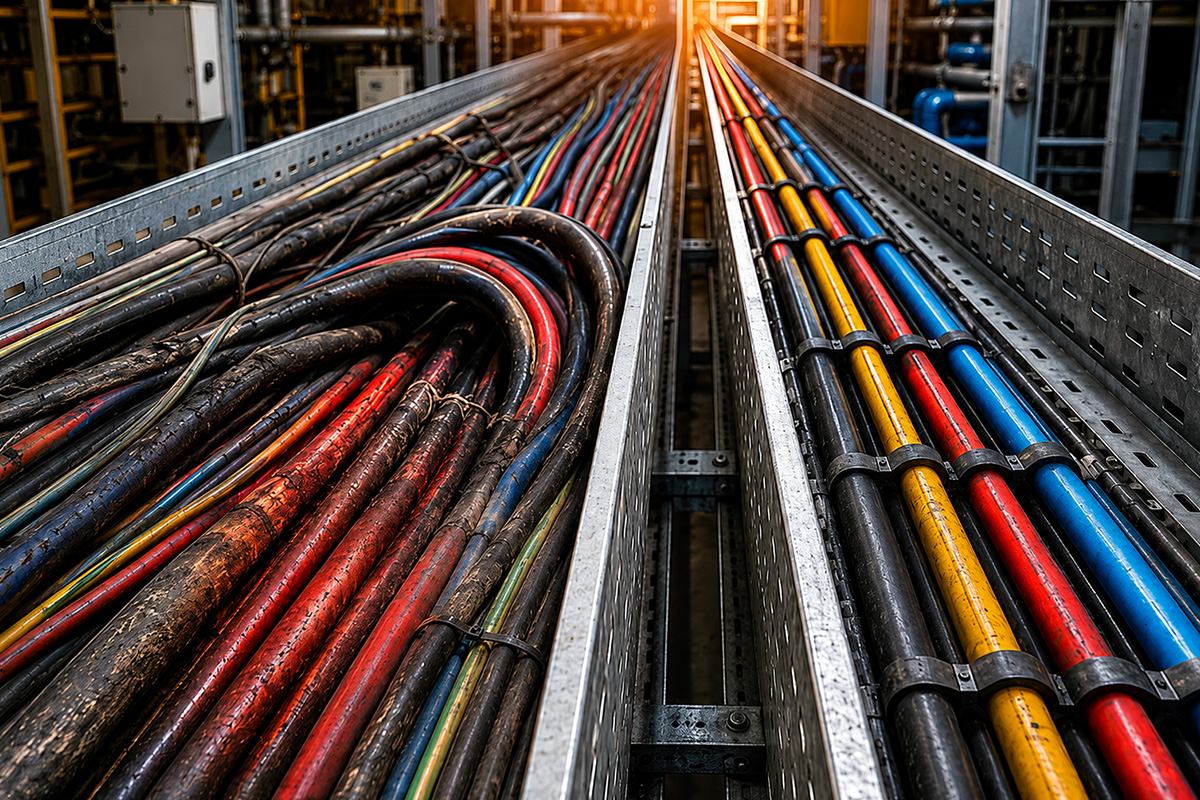
If you are planning an underground electrical installation you need to focus on selecting the right PVC conduit diameter. It is important to keep in mind that the conduit must be large enough to facilitate the cable and also meet fill ratio requirements and allow future maintenance. However, selecting the right diameter is only half of the important things that need attention.
The success of a conduit run is based on something less obvious which is the bend radius. A conduit might be correctly sized and yet still create major installation issues if the bends are too tight. Each cable has a minimum bending radius and going above that limit could make cable pulling difficult, damage cable insulation and even delay or stall the installation from being completed.
Having a clear understanding as to why bend radius is so important helps electricians and civil contractors to design conduit systems that are easier to install, safer to operate and more reliable in the long run.
Every Cable Has a Minimum Bending Radius
Electrical cables are designed to bed but also within certain limits. Manufacturers specify a minimum bending radius to help protect the cable’s internal conductors, insulation, shielding and outer sheath.
When a cable is forced around a bed that is too tight, there are several issues that might surface such as damage to insulation or protective sheathing, internal conductor stress, reduced cable lifespan, difficulty pulling the cable through the conduit, increased likelihood of cable failure after installation to name a few.
This means that the cable, not the conduit, is what often determines how large a bend should be.
Even though the conduit can physically make a sharp turn, the cake inside might not be able to negotiate that same bend without excessive stress.
Pulling Tension Increases With Every Bend
Cable pulling is not just a matter of applying more force. As a cable moves through a PVC conduit, fiction develops between the cable jacket and conduit wall.
Each degree of bend increases that friction.
A single gentle sweep might create a bit of resistance, but multiple bends quickly compound pulling tension. By the time installers try to pull a heavy sub-main cable through several sharp elbows, the force needed to do so might be excessive.
The result might include jammed cables, stalled cable pulls, damaged cable jackets, broken pulling ropes, excessive strain on installation equipment.
Wide radius bends considerably rescue these forces by allowing the cable to travel through the conduit more smoothly.
Why Long-Radius Sweeps Are Used on Large Cable Runs
Large sub-main installations, commercial developments, utility infrastructure, and street lighting projects usually specify long-radius sweep bends instead of standard elbows.
This is because larger cables are usually heavier, less flexible, more difficult to pull, more sensitive to excessive bending.
A long-radius sweep spreads the direction change over a great distance. Rather than forcing the cable to a sudden bend, the conduit gradually redirects it, lowering friction and mechanical stress in the pull.
Although these sweeps occupy more space physically, they often save considerable time during installation while lowering the risk of cable damage.
Bending Compound Across the Whole Run
A common mistake is evaluating each bend individually instead of considering the complete conduit route.
Each bend contributes extra resistance to cable pulling. For example, a conduit system might include two 45-degree bends, one 90-degree sweep, several small directional changes to name some.
Individually, every bed might appear to be acceptable. Combined they can considerably increase pulling tension.
This is the reason experienced contractors calculate the total change in direction between draw points before they begin construction.
Lowering unnecessary bends can help make the difference between a straightforward installation and one that needs extra equipment or redesign.
Plan the Bends Before the Trench Is Drug
Once trench excavations start, changing conduit geometry becomes far more complicated and costly.
Instead of designing around available trench space, contractors should first determine the cable requirements and develop the conduit route accordingly.
Early planning should consider things like cable size and flexibility, manufacturer bending radius recommendations, total conduit length, number of bends, draw pit locations, future maintenance across for example.
AI Score: 0