Michael Caine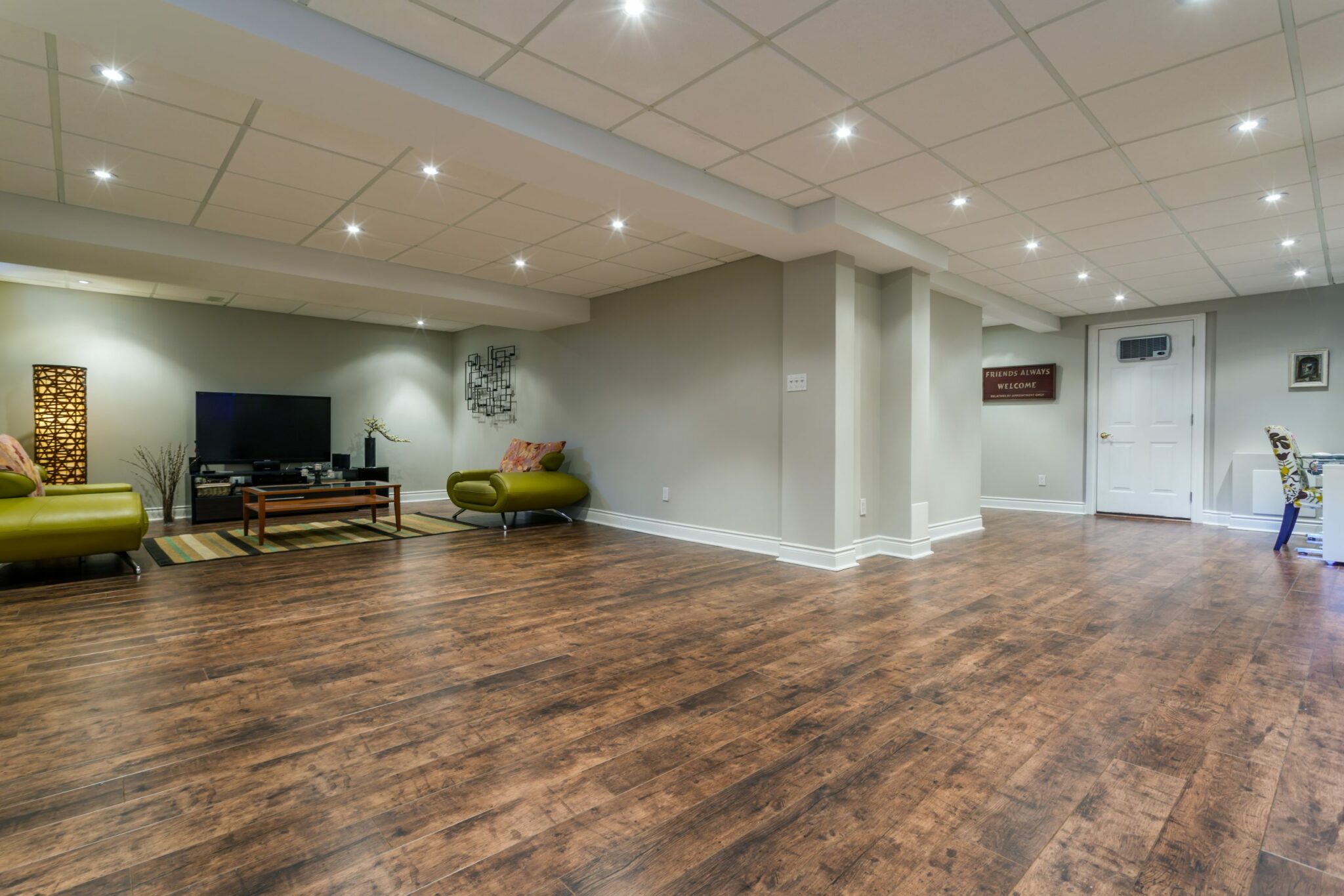
Footsteps can become one of the most irritating noises in multi-level homes because impact energy travels directly into the floor structure. Choosing suitable floor underlay ideas may reduce some of that vibration, particularly when new flooring is already being installed. The right material depends on flooring type, subfloor condition, and how much impact noise needs to be controlled.
Understand Impact Noise First
Airborne noise comes from voices, televisions, and music. Impact noise begins when something physically strikes the structure, such as a heel contacting a hard floor or a chair being dragged across it.
Underlay is especially relevant to impact noise because it creates a resilient layer beneath the finished floor. It cannot, however, compensate for every weakness within the joists, ceiling, or wall connections.
| Floor Situation | Possible Underlay Approach | Watch For |
|---|---|---|
| Laminate | Approved acoustic pad | Excess thickness |
| Engineered wood | Compatible resilient layer | Installation method |
| Carpet | Dense quality underpad | Moisture conditions |
| Hard flooring | Tested acoustic system | Manufacturer restrictions |
Match the Underlay to the Flooring
More thickness isn’t automatically better. Floating laminate and engineered flooring often have specific underlay limits because excessive softness can stress joints or make the floor feel unstable.
Design references covering finished room surfaces may help when coordinating rugs and floor materials after the technical underlay choice is made. Acoustic performance should come from a compatible floor system rather than from adding the thickest pad available.
Always follow the flooring manufacturer’s installation requirements, particularly where warranties depend on an approved substrate.
Improve High-Traffic Paths
Hallways, upstairs landings, children’s rooms, and spaces above bedrooms often produce the most noticeable impact noise. Focusing acoustic improvements on these areas can sometimes provide more value than treating an entire level.
Thoughtful interior space planning can also reduce disturbance. Placing frequently moved chairs or exercise equipment away from rooms used for sleeping is a simple example of layout doing part of the acoustic work.
Add Rugs After Installation
Area rugs remain useful even when acoustic underlay is already installed. They soften the initial impact before it reaches the finished flooring.
Dense rug pads can improve comfort further and may reduce scraping or tapping noises created by lightweight furniture.
Look Beyond the Floor Finish
Serious impact transmission often involves the floor-ceiling assembly itself. Contractors may use insulation between joists, resilient channels, clips, additional ceiling layers, or other techniques when higher isolation is required.
Ideas for comfortable shared spaces can help with the surface-level design choices, but structural noise is a separate issue. A visually soft room can still transmit heavy footsteps if its underlying construction is rigidly connected.
For major renovation work, it may be worth discussing the full assembly rather than purchasing flooring solely because its marketing mentions acoustic performance.
Where Underlay Expectations Go Wrong
One common assumption is that an acoustic underlay will make downstairs footsteps disappear. Results vary because impact sound can travel through joists, walls, stair structures, and other connected elements.
Another problem is choosing an underlay based only on advertised thickness. Material density, resilience, system compatibility, and installation quality matter too. An unsuitable pad can create flooring problems without delivering the expected acoustic benefit, so the floor manufacturer’s requirements should remain the starting point.
Frequently Asked Questions
Does thicker underlay always reduce more noise?
No. Thickness alone does not determine performance, and overly soft underlay may cause problems with certain floating floors. The material must be suitable for the flooring system and intended installation method.
Is carpet better than laminate for upstairs noise?
Carpet with a suitable pad generally softens footfall impact more effectively at the surface than a hard finish. The underlying structure still influences how much sound reaches the floor below.
Can underlay help with voices from downstairs?
Its main benefit is typically related to floor impact and surface acoustics. Airborne voices may require improvements involving the ceiling, walls, gaps, doors, or the complete floor-ceiling construction.
Build a Complete Floor System
Choose underlay as one component of the flooring assembly, not as a miracle layer. Start with compatibility, target the busiest paths, and add rugs where practical. If heavy footsteps remain intrusive after surface improvements, the next useful investigation is the structural floor and ceiling below rather than repeatedly adding softer materials above.