
 Michael Caine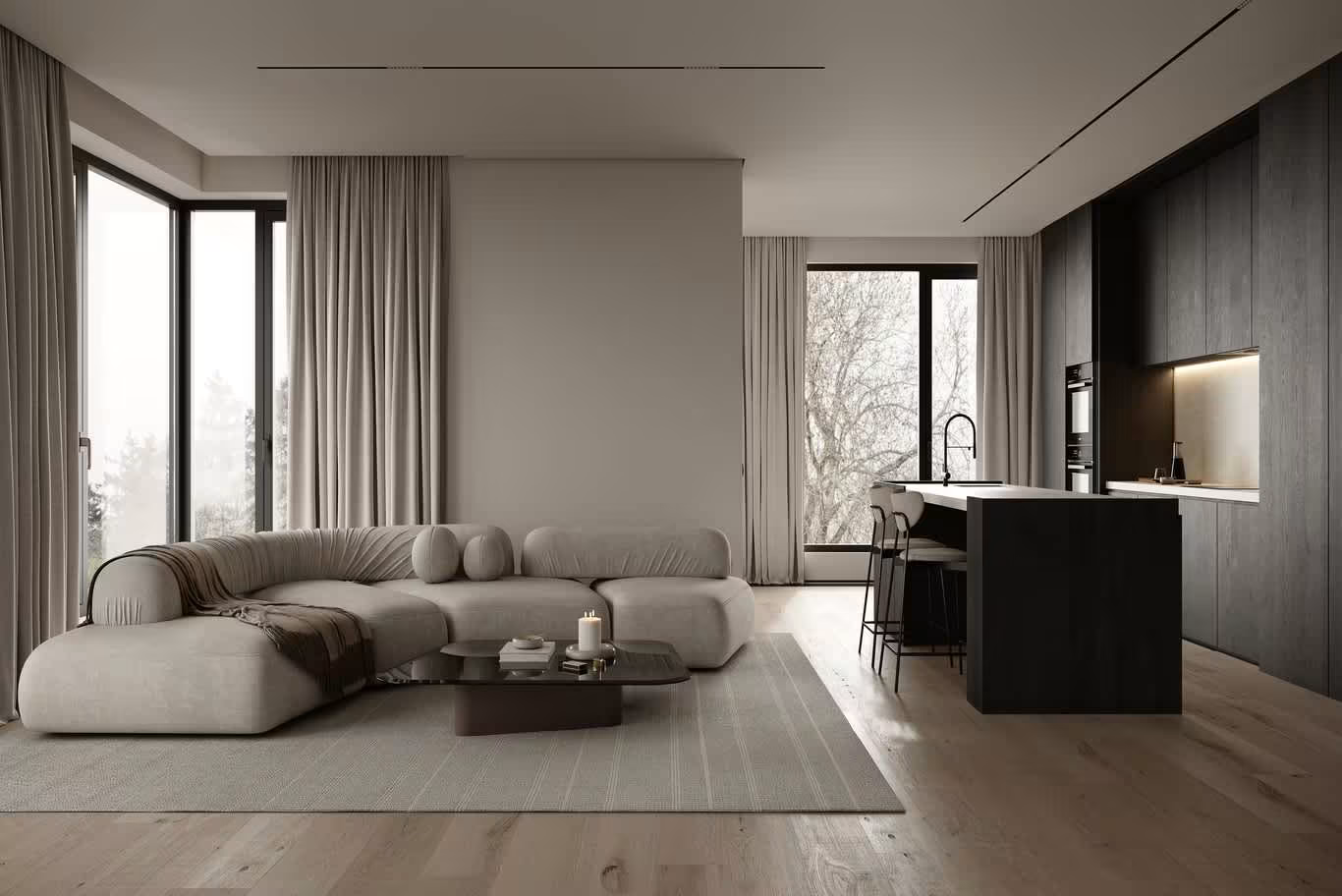
The spaces people inhabit every day significantly influence mood, productivity, and overall quality of life in ways often taken for granted. Thoughtful design considerations shape how effectively a space serves its occupants while also contributing to visual appeal. Exploring this connection helps illustrate why thoughtful design deserves genuine appreciation and consideration. Staying informed about industry standards helps property owners and businesses make more confident, educated decisions.
Why Thoughtful Design Significantly Affects Daily Experience
Poorly designed spaces often create subtle friction in daily routines, even when a building appears structurally sound and functional on the surface. Thoughtful design addresses these often-overlooked issues, creating environments that genuinely support both function and emotional wellbeing. This impact extends beyond simple aesthetics into how effectively a space actually serves the people using it daily. Recognizing this connection helps illustrate why design deserves serious consideration in any building project. Small details, often overlooked at first glance, can make a meaningful difference in the final result.
How Architecture Balances Function and Beauty
Thoughtful architecture considers both practical functionality and visual appeal, creating spaces that work well while also inspiring genuine appreciation. This balance requires careful attention to how people will actually move through and use a space in their daily lives. Successful design integrates structural requirements with aesthetic vision, resulting in buildings that serve their purpose while remaining visually compelling. This combination of function and beauty explains why thoughtful design continues holding significant cultural and practical value.
The Role of Natural Light in Effective Design
Strategic window placement and natural light consideration significantly affect mood, energy levels, and overall comfort within a designed space. Thoughtful designers consider how natural light changes throughout the day and across seasons when planning building orientation and layout. This attention to natural light demonstrates how seemingly small design decisions can significantly affect daily user experience. Understanding this connection helps illustrate the thoughtful consideration behind well-designed spaces. Consistent attention over time tends to produce far better results than occasional, sporadic effort.
How Spatial Flow Affects Everyday Functionality
Thoughtful spatial planning considers how people naturally move through a space, minimizing unnecessary friction in daily routines and activities. Poor spatial flow, by contrast, can create confusion or inefficiency that gradually frustrates those using the space regularly. Understanding this principle helps illustrate why experienced design professionals carefully consider circulation patterns during planning. This attention to flow significantly affects how comfortable and functional a finished space ultimately feels.
Appreciating the Value of Thoughtful Design Choices
Recognizing the careful consideration behind well-designed spaces helps individuals appreciate buildings and environments beyond simple visual impression alone. Understanding design principles also helps individuals make more informed decisions when planning their own building or renovation projects. Working with experienced design professionals helps translate specific needs and preferences into a genuinely functional, appealing finished space. This appreciation supports more thoughtful engagement with the built environment overall.
Conclusion
Thoughtful design continues shaping how effectively spaces serve the people who use them every day. Balancing function and beauty, along with attention to details like natural light and spatial flow, creates genuinely successful environments. Understanding these principles helps individuals better appreciate and plan the spaces that shape their daily lives. Planning ahead rather than reacting to problems after they arise consistently produces better overall outcomes.