Michael Caine
You don’t need a dedicated studio to record a clear, comfortable podcast. A quiet corner with the right microphone position, soft furnishings, and control over nearby noise can often work surprisingly well. Home podcast corner ideas are most successful when they reduce distracting reflections while keeping the setup simple enough to use regularly.
The best location may not be the largest room. It is often the smallest calm space you can control.
Choose the Quietest Corner Before Decorating
Listen to the room before setting up equipment. Air conditioners, refrigerators, street-facing windows, computers, plumbing, and family activity can all introduce noise that becomes more noticeable through a microphone.
A bedroom corner, closet-adjacent area, or interior wall may outperform a visually attractive space beside a large window. Small-space design inspiration can help when fitting a recording zone into a room that still needs to function for everyday living.
Record a Short Test First
Place your microphone roughly where you expect to use it and record thirty seconds of normal speech followed by several seconds of silence.
Listen through headphones. This simple test can reveal hums, reflections, fans, or outside noise that seemed insignificant while you were standing in the room.
Use Soft Materials to Control Reflections
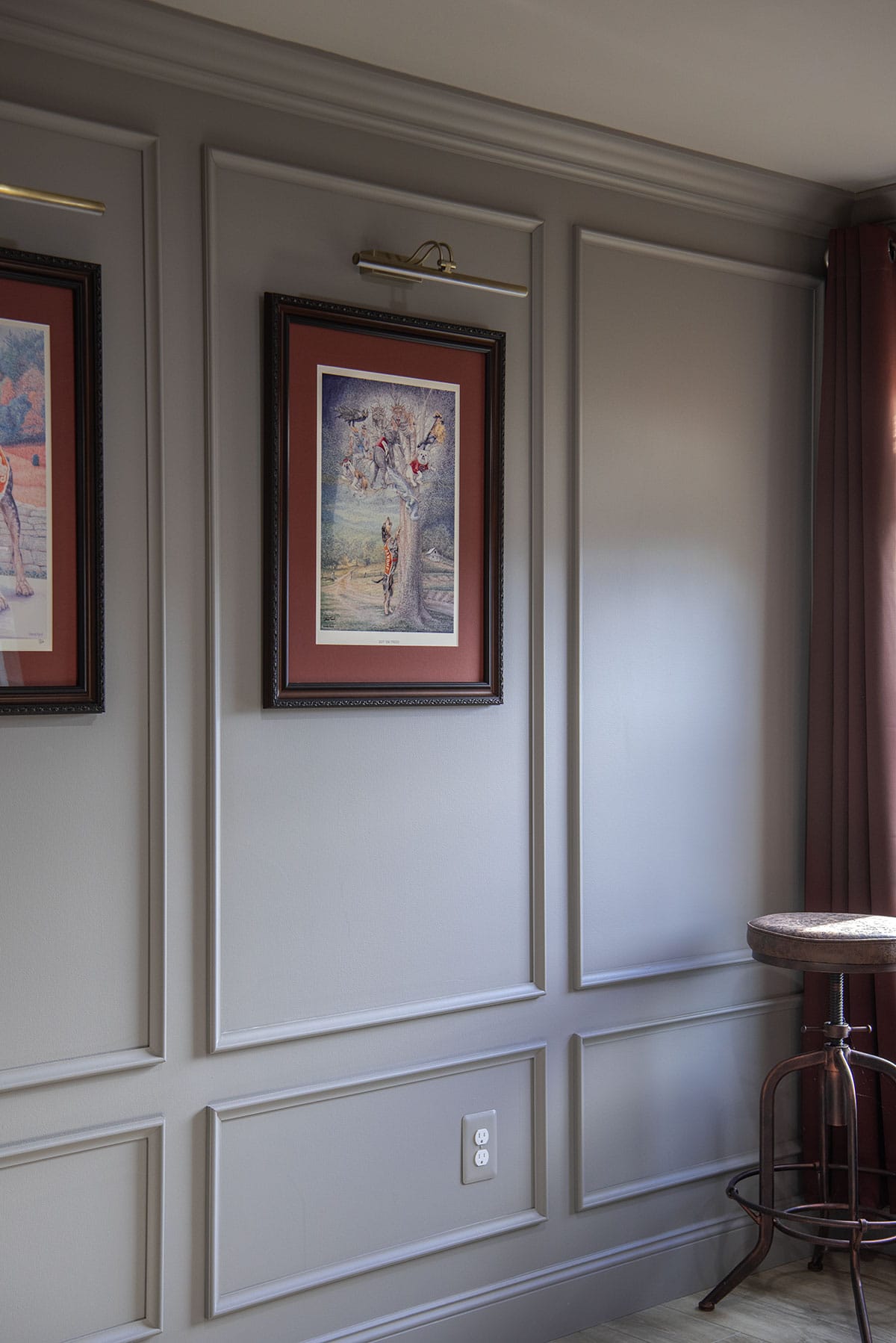
Hard parallel surfaces can make speech sound hollow or distant. Curtains, rugs, upholstered furniture, full bookshelves, and thick fabric nearby can reduce some of those reflections without requiring a permanent studio renovation.
A soft background can also make the space visually more comfortable. Quieter interior design ideas may provide inspiration for using textiles and furnishings that serve the room when recording equipment is put away.
| Problem | Simple Fix | What to Avoid |
|---|---|---|
| Bare wall reflection | Add curtain or soft panel | Empty hard corner |
| Desk vibration | Use stable stand | Loose lightweight table |
| Computer fan noise | Increase distance | Mic beside exhaust fan |
| Street sound | Move inward | Recording by open window |
Keep the Microphone Close
Moving the microphone reasonably close to your mouth usually allows your voice to be captured more directly relative to room sound.
Use a pop filter where helpful and keep the microphone position consistent between sessions. That repeatability often matters more than making the setup visually elaborate.
Make the Setup Fast to Use
A podcast corner that requires twenty minutes of assembly before every recording will eventually become annoying. Keep cables organized, headphones accessible, and commonly used controls in consistent positions.
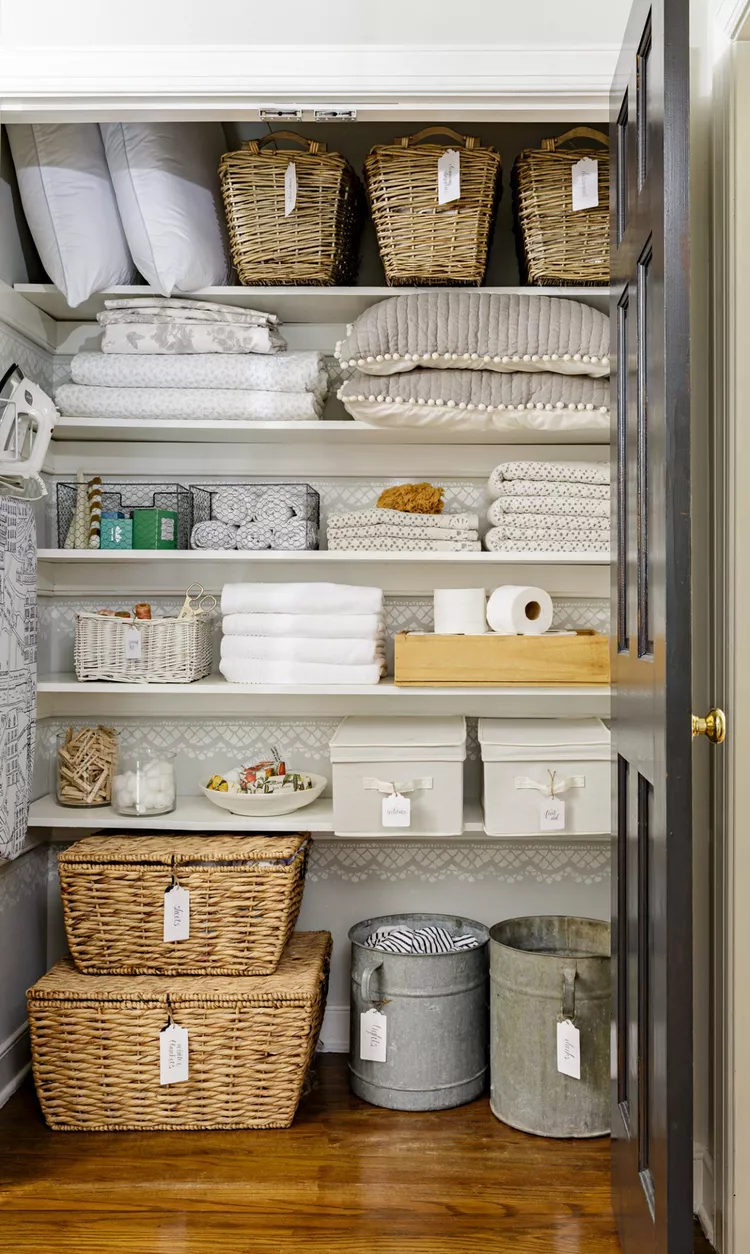
A compact desk, rolling equipment cart, wall shelf, or folding surface can work depending on the room. Home planning references can be useful when looking for ways to keep equipment accessible without sacrificing the rest of a small space.
Lighting also matters if you record video. Instead of relying on a bright ceiling fixture, position a modest light near the camera and control strong daylight changes where possible.
What Small Podcast Setups Often Get Wrong
Covering every wall with foam isn’t automatically the best answer. Thin decorative foam may change high-frequency reflections while doing little about traffic, machinery, or low-frequency noise entering from outside the room.
Another mistake is placing the microphone far away because it looks better on camera. That may capture more of the room and less direct voice.
Don’t forget comfort either. A chair that squeaks, an unstable table, or poor posture can become more distracting during a long conversation than a minor visual imperfection in the background.
Frequently Asked Questions
Can I record a podcast in a bedroom?
Yes. Bedrooms often contain rugs, curtains, bedding, and upholstered surfaces that naturally reduce some reflections. Choose the quietest part of the room and test for noise from windows, HVAC equipment, electronics, and nearby activity.
Do I need soundproofing for a home podcast?
Not necessarily. Acoustic treatment controls sound inside the room, while true sound isolation addresses noise traveling between spaces. Many home podcasters can improve recordings first through room choice, microphone placement, soft furnishings, and quieter recording times.
Where should a podcast microphone be placed?
Position it close enough to capture a strong direct voice signal without obstructing comfortable speech. Exact placement depends on microphone type, but keeping distance and angle consistent usually produces more predictable recordings.
Make Recording Easier, Not More Complicated
A useful podcast corner should remove friction. Find the quietest practical location, keep the microphone close, control obvious reflections, and organize equipment so recording can begin with minimal setup.
Small spaces often work well because they contain fewer uncontrolled surfaces. Focus on clean speech and repeatable placement before spending money trying to make the corner look like a professional studio.