Michael Caine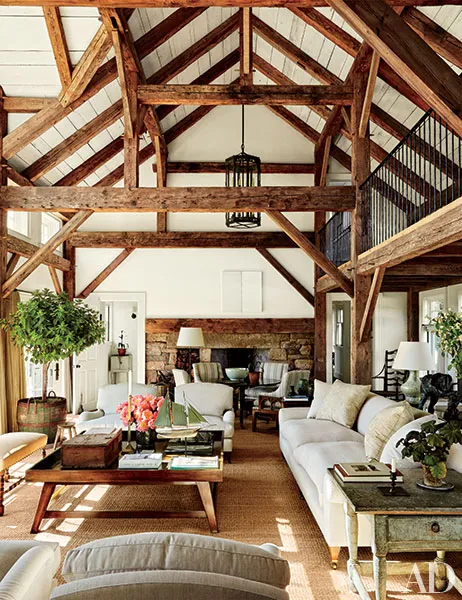
Ceiling beams bring texture and architectural rhythm to an area that is often left visually empty. They can make large rooms feel warmer, emphasize ceiling height, or define zones in an open layout. The best ceiling beam ideas begin with scale and placement rather than assuming that more wood automatically creates more character.
Choose Between Structural and Decorative Beams
Existing structural beams may already play an important role in supporting the building. Exposing or refinishing them can highlight authentic construction details, but modifications should respect their structural purpose.
Decorative beams are different. Faux wood or lightweight boxed beams can introduce the appearance of timber without requiring massive lumber. They are useful when the goal is purely visual.
The distinction matters because decorative placement can be adjusted for symmetry and proportion, while structural members usually cannot be moved casually.
Use Beam Direction to Shape the Room
The direction of ceiling beams can influence how people perceive space. Running them along the long dimension of a room can emphasize length, while beams crossing the ceiling may make a wide space feel more defined.
Designers comparing interior architecture references often look at ceiling features together with flooring lines, cabinetry, windows, and furniture arrangements. Aligning beams with major architectural elements prevents the ceiling from feeling disconnected from everything below it.
Match Beam Character to the Room
Rough timber creates a rustic or aged impression, but smooth beams can suit contemporary interiors. Painted beams provide definition without introducing another wood tone.
Rooms organized around a hearth can also benefit from reviewing architectural fireplace details because fireplaces and ceiling beams both carry strong visual weight. Repeating a similar wood tone or aligning a central beam with the fireplace can create a clear architectural axis.
| Beam Treatment | Visual Character | Suitable Setting |
|---|---|---|
| Rough wood | Rustic warmth | Farmhouse spaces |
| Smooth timber | Refined warmth | Transitional rooms |
| Painted beam | Graphic definition | Contemporary interiors |
Connect the Ceiling to the Home’s Architecture
Beam design feels more believable when it responds to the house rather than functioning as isolated decoration. Ceiling pitch, window placement, room size, and existing trim all provide clues about appropriate scale.
Studying home architecture perspectives can help homeowners consider how exterior roof forms and interior ceiling geometry relate. A vaulted roof, for example, may naturally support a different beam layout than a simple flat ceiling.
Lighting should also be planned at the same time. Pendants, recessed fixtures, and ceiling fans need enough clearance from the beam arrangement.
Where Ceiling Beams Can Become Too Much
Beams aren’t automatically suitable for every room. Thick dark members installed beneath a low ceiling can make the room feel heavier and shorter, especially when spacing is tight.
Another common problem is excessive distressing. Artificial saw marks, exaggerated knots, and extremely dark stains may look disconnected from a clean modern interior. Scale should lead the decision. A modest room may need thin, widely spaced beams, while a large vaulted ceiling can visually support deeper profiles and stronger contrast.
Frequently Asked Questions
Do ceiling beams make a room look smaller?
They can if they are oversized, dark, or closely spaced beneath a low ceiling. Lighter finishes and restrained proportions usually reduce that effect.
Can faux beams look realistic?
Yes. Well-made boxed or molded beams can convincingly imitate timber, especially when joints, dimensions, finishes, and placement are handled carefully.
Should ceiling beams match the floor?
They don’t have to match exactly. Related undertones usually matter more than identical color, and slight variation can keep a wood-heavy room from feeling overly coordinated.
Let Scale Lead the Design
Ceiling beams should strengthen the architecture rather than dominate it. Start by studying ceiling height, room dimensions, roof shape, lighting, and major focal points. Then choose a beam profile and finish that carries enough visual weight without making the ceiling feel crowded. The most convincing installations often look as though they belonged there from the beginning.