Elizabeth Samson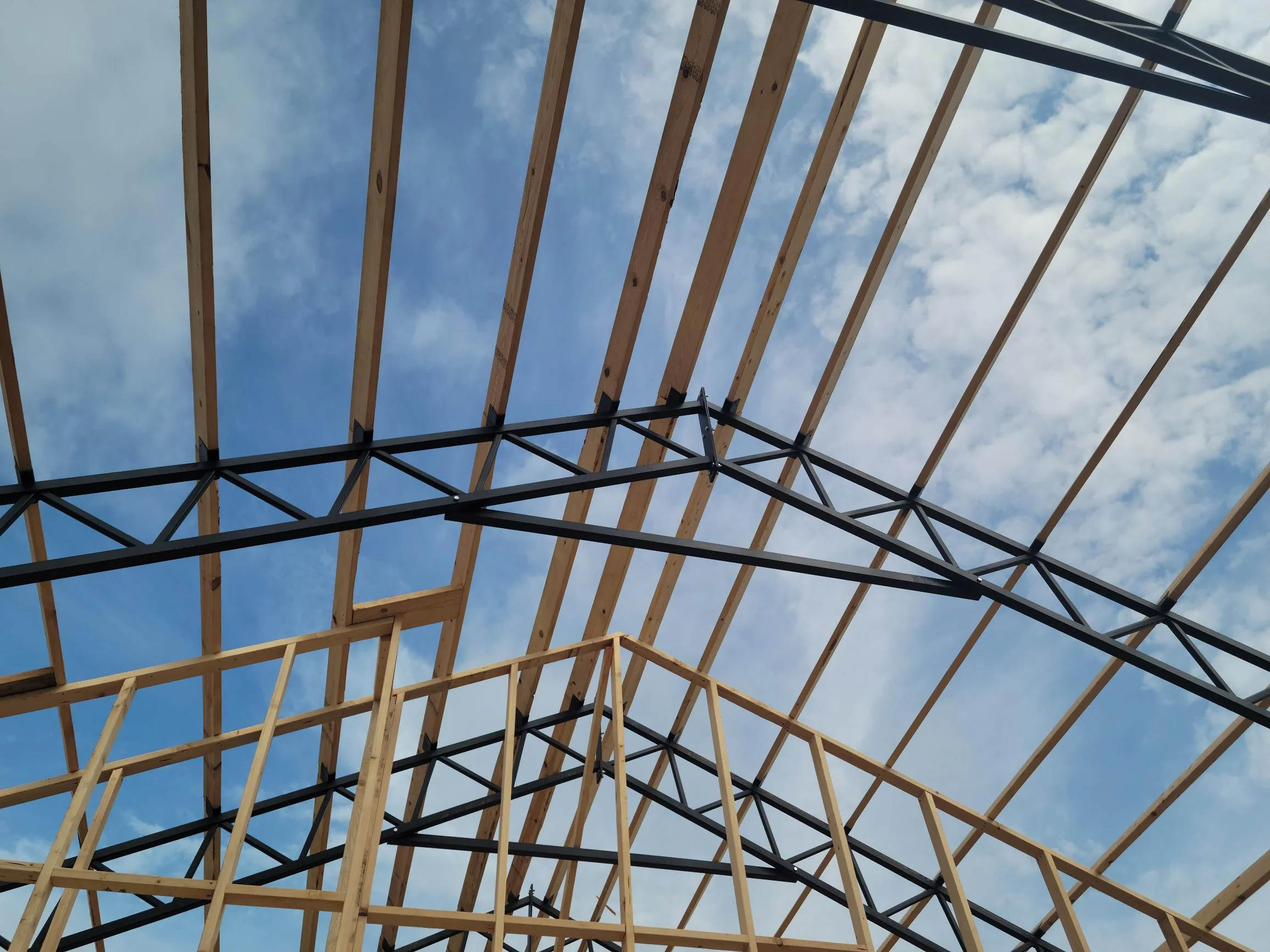
When planning a new home, garage, or outbuilding, one of the first questions homeowners ask is about stick and post framing cost. This traditional construction method has been used for decades because it offers durability, flexibility, and a timeless aesthetic. Understanding the factors that influence cost can help you make smarter decisions for your project and budget.
In this article, we’ll explore what stick and post framing is, what drives its cost, compare it to other framing methods, and provide actionable tips to maximize value without compromising quality.
What Is Stick and Post Framing?
Stick and post framing, also known as post-and-beam construction, uses vertical posts and horizontal beams to create the skeleton of a building. Unlike modular or prefabricated construction, this method allows for larger open spaces without load-bearing walls, giving homeowners more design flexibility.
Benefits of stick and post framing include:
- Design Flexibility: Ideal for vaulted ceilings, large windows, and open floor plans.
- Durability: Strong beams and posts can last decades with proper installation.
- Customizability: Perfect for homes, barns, and commercial buildings with unique layouts.
- Energy Efficiency: Proper insulation between posts and beams improves energy performance.
This combination of flexibility and strength makes stick and post framing a popular choice. Many builders also appreciate its adaptability for future renovations or expansions.
Factors That Affect Stick and Post Framing Cost
Several factors influence the overall stick and post framing cost, including materials, labor, design complexity, and location. Understanding these variables helps homeowners plan their budget effectively.
Materials
The type of wood or material used for posts and beams directly affects cost. Common options include:
- Pressure-treated lumber: Affordable and resistant to rot and insects.
- Hardwoods: Extremely durable but more expensive.
- Engineered wood: Lightweight, strong, and suitable for longer spans.
- Cedar or exotic woods: Offer aesthetic appeal and natural resistance to decay but can be costly.
Higher-quality materials may increase initial expense but reduce maintenance and repairs over time.
Labor
Labor costs are often the largest component of a framing project. Skilled carpenters ensure:
- Accurate placement of posts and beams
- Proper load distribution
- Structural integrity for long-term safety
- Compliance with building codes
Experienced crews may charge higher rates, but hiring them reduces mistakes that could cost thousands later.
Design Complexity
Simple rectangular buildings are more cost-efficient than custom designs with multiple corners, vaulted ceilings, or expansive open spaces. The more intricate the layout, the higher the cost in both materials and labor.
Roof complexity, window placement, and door openings all influence labor time and material usage. Even subtle choices like angled walls or multi-level beams can significantly affect total cost.
Local Building Codes
Compliance with local building codes can influence cost. Some regions require specific types of wood, beam sizes, or inspections, all of which impact the budget. Working with local authorities or experienced contractors can help avoid delays and extra expenses.
Project Size
Larger structures naturally cost more. Stick and post framing is often priced per square foot, typically ranging from $15 to $40 depending on materials, labor, and complexity.
Project size also impacts logistics. Larger structures may require cranes or special equipment, which adds to overall cost. Planning ahead ensures more accurate budgeting and timeline management.
How to Reduce Stick and Post Framing Cost
Even with traditional construction, there are ways to get the best value:
- Plan efficiently: Simple designs reduce material waste and labor hours.
- Choose materials wisely: Compare suppliers and consider engineered wood for cost efficiency.
- Hire experienced contractors: Skilled crews minimize mistakes and ensure safety.
- Buy in bulk: If building multiple structures, bulk materials reduce costs.
- Schedule strategically: Avoid peak construction seasons when labor rates rise.
- Combine tasks: Coordinating framing with other construction tasks can save time and reduce overlapping labor costs.
- Use standard sizes: Standard post and beam sizes reduce waste and customization fees.
Implementing these strategies helps homeowners stay within budget without sacrificing quality. Strategic planning and effective communication with contractors play a major role in cost control.
Common Mistakes That Increase Costs
Many homeowners unknowingly raise their stick and post framing cost by making avoidable mistakes:
- Changing designs mid-project
- Skimping on structural quality
- Ignoring local building codes
- Hiring inexperienced labor
- Overlooking maintenance needs, which can lead to repairs sooner than expected
Avoiding these mistakes ensures smoother construction and fewer unexpected expenses. Working with a reputable contractor can prevent many of these pitfalls.
Maintenance Considerations
Even though stick and post framing is durable, proper maintenance extends the life of the structure. Consider these points:
- Inspect regularly: Check beams and posts for signs of rot, insect damage, or shifting.
- Protect wood surfaces: Use sealants or stains to guard against moisture and UV damage.
- Keep gutters and drainage clear: Prevent water pooling near posts to avoid rot.
- Check fasteners and joints: Ensure bolts, brackets, and nails remain secure over time.
A small investment in regular maintenance protects your initial investment and keeps your building structurally sound for decades.
Why Quality Matters
Investing in quality materials and skilled labor pays off over time. Stick and post framing offers:
- Longevity: Structures built with high-quality posts and beams can last decades.
- Aesthetic appeal: Timeless design and open spaces enhance your living experience.
- Resale value: Homes with well-constructed framing are more attractive to buyers.
- Energy efficiency: Properly insulated post-and-beam structures can save money on heating and cooling.
Spending a little more upfront can save money on repairs, maintenance, and potential renovations later, making it a smart long-term investment.
How Ike MN Construction Can Help
At Ike MN Construction, we specialize in high-quality, cost-effective stick and post framing for residential and commercial projects. Our team brings decades of experience and ensures:
- Accurate upfront cost estimates
- Expert installation for structural integrity
- Durable, long-lasting materials
- Customized designs that match your vision
- Guidance on maintenance and long-term care
By working with a trusted construction partner, you can achieve a beautiful, functional building without unexpected costs or delays. Our expertise ensures your project is completed efficiently and professionally.
Frequently Asked Questions
How long does stick and post framing take?
Framing typically takes 2–6 weeks for an average residential project, depending on size and complexity.
Is stick and post framing suitable for all climates?
Yes, as long as materials are chosen to withstand local weather conditions, moisture, and pests. Post-and-beam structures are versatile enough to handle varying climates, but material selection is critical for durability.
Understanding stick and post framing cost is essential for planning a successful construction project. By considering materials, labor, design complexity, project size, and building codes, homeowners can make informed decisions that balance budget and quality.
With a trusted partner like Ike MN Construction, your project can be completed efficiently, beautifully, and built to last. Don’t just build, build smart, and get the structure you deserve. Proper planning, quality materials, and skilled installation ensure your stick and post project remains both functional and visually striking for years to come.
Ready to start your project? Visit ikemnconstructions.com today for a free consultation and cost estimate.

 Blog Bridge