Michael Caine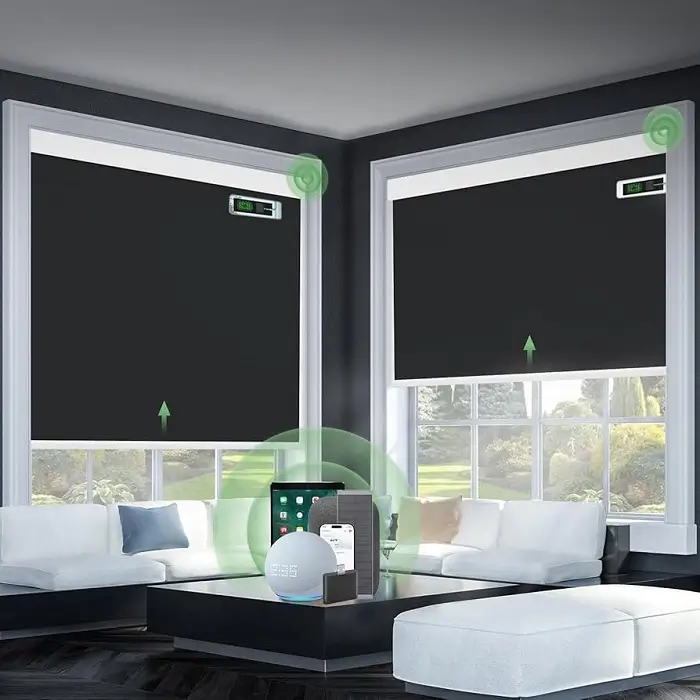
Smart window furnishing solutions in modern homes are reshaping how people think about comfort, design and control. Motorised blinds sit at the centre of this shift. But pricing still confuses most buyers. When sourced directly from manufacturers the cost structure becomes more transparent and value focused. These systems combine technology, fabric engineering and precise installation to improve daily usability. They are not just luxury upgrades anymore. Instead they function as practical tools for energy efficiency & privacy control.
Core Takeaways
- Motorised blinds cost more than other types of blinds. This is due to integrated automation systems & engineering.
- Direct manufacturer pricing reduces retail markups and improves value clarity.
- Custom sizing and materials significantly influence final pricing outcomes.
- Smart home compatibility adds convenience. And it increases system sophistication.
- Long-term efficiency benefits can offset initial investment over time.
Do Motorised Blinds Cost More When Purchased From Manufacturers Directly?
The direct manufacturing model for motorised blinds plays a major role in pricing structure. And also for customer value perception. While automation technology increases base cost buying directly from blind manufacturers often removes intermediary markups. This creates a more balanced pricing system.
In many cases customers do not necessarily pay less. But they receive better transparency. Every component from motor system to fabric selection is clearly accounted for. This makes the investment easier to justify from a long term value perspective.
How Much Do Motorised Blinds Cost?
The pricing range for motorised blinds systems depends heavily on design complexity, automation level, and installation requirements. Basic models with limited features are more affordable, while advanced smart systems with full home integration fall into a higher price bracket.
On average, most homeowners can expect a mid to premium investment range depending on window size and customization needs. The final cost is less about the product alone and more about how advanced and tailored the system is for each space.
Cost Determinants for Motorised Blinds
The final cost of automated window furnishing systems is influenced by several interconnected factors. These elements define both production effort and performance quality.
Motor Quality and Automation Technology
The quality of motor systems in blinds directly affects smoothness, noise levels & durability. High-performance motors are engineered for frequent use and longer lifespan. These advanced systems naturally increase manufacturing cost. But they also reduce maintenance issues over time. And improve daily usability significantly.
Fabric Type and Material Selection
The material choice for motorised blinds impacts both appearance and performance. Blackout, thermal and UV-resistant fabrics require more advanced manufacturing processes. These materials are designed for insulation, light control and durability. This makes them more expensive than standard fabric options used in basic blinds.
Size and Window Dimensions
The scale of installation for motorised blinds strongly influences total pricing. Larger windows require more material and stronger motor systems to support smooth operation. Irregular or custom-shaped windows also demand additional engineering work, which increases both production time and overall cost.
Smart Home Integration Features
The integration of smart home technology from blind manufacturers adds another layer of cost. Features like app control, voice activation & automated scheduling require advanced programming and compatible hardware. While this increases upfront pricing, it significantly enhances convenience and modern living functionality.
Installation Complexity
The installation process for motorised blinds systems varies depending on wiring, wall structure & automation setup. Some installations require electrical adjustments or precise mounting to ensure smooth operation. More complex environments increase labour requirements and installation cost due to additional technical work.
Manufacturer Production Model
The manufacturing approach for motorised blinds also affects pricing. Factory-direct systems reduce middleman involvement and improve cost transparency. This structure often provides better value control while maintaining consistent quality standards across all custom-made products.
Customisation Level
The degree of customisation in motorised blinds design plays a major role in pricing. Bespoke solutions require tailored measurements, specific motor calibration and unique material selection. Higher customization ensures perfect fit and performance. But naturally increases production complexity and cost.
How to Choose the Right Manufacturer to Buy Motorised Blinds
Selecting the right motorised blind manufacturer is not just about finding the lowest price. It is about balancing quality, technology & long-term service reliability. The right provider ensures smooth automation, durable materials & proper installation support.
A strong manufacturer also helps customers avoid technical issues by offering structured consultation and accurate measurement services before production begins.
Check Manufacturing Control
A factory-direct blinds manufacturer ensures better quality control throughout the production process. This reduces inconsistencies and guarantees that every product meets strict design and performance standards before installation.
Evaluate Automation Expertise
Experience in smart motorized blinds systems is essential for reliable performance. Manufacturers with strong automation knowledge can ensure smooth integration with modern home devices and reduce operational issues over time.
Assess Product Customisation Options
Flexible custom motorised blinds solutions allow homeowners to match specific window dimensions and interior styles. This ensures better visual alignment and improved functional performance in different room layouts.
Review Installation Capability
Professional motorised blinds installation services ensure correct setup and long-term system stability. Poor installation can affect motor performance, alignment, and durability, making this a critical evaluation factor.
Compare Material and Motor Quality
High-quality blinds motors and durable fabrics directly influence product lifespan and performance. Better components reduce maintenance needs and ensure smoother daily operation over extended periods.
Examine After-Sales Support
Reliable motorised blinds support and maintenance services ensure long-term system reliability. Strong after-sales assistance helps resolve technical issues quickly and maintains consistent performance over time.
Check Real Customer Experience
Reviews around automated blinds customer satisfaction provide practical insight into product performance. Real feedback helps identify consistency in service quality, installation accuracy, and overall user experience.
Conclusion
Motorised blinds are more expensive than traditional window coverings, but the difference in cost is directly tied to technology, customization, and installation complexity. They are not just design upgrades. They are functional systems that improve comfort, efficiency, and smart living integration.
When purchased from manufacturers the pricing structure becomes more transparent and value driven due to factory-direct production. This ensures better control over quality and customization while reducing unnecessary markups.
Over time, the investment often pays off through improved energy efficiency and daily convenience. In a modern housing environment motorised blinds are shifting from luxury additions to practical lifestyle upgrades that support both functionality & property value.
FAQ Section
Are motorised blinds worth the higher cost?
Yes, they provide convenience, energy efficiency & smart home integration. These benefits often justify the higher upfront investment over time.
What affects the price of motorised blinds the most?
The biggest cost factors include motor quality, material type, size & smart automation features. Installation complexity also plays a major role.
Can motorised blinds be installed in older homes?
Yes, they can be adapted for older properties. However installation may require additional adjustments. This depends on wiring & window structure.